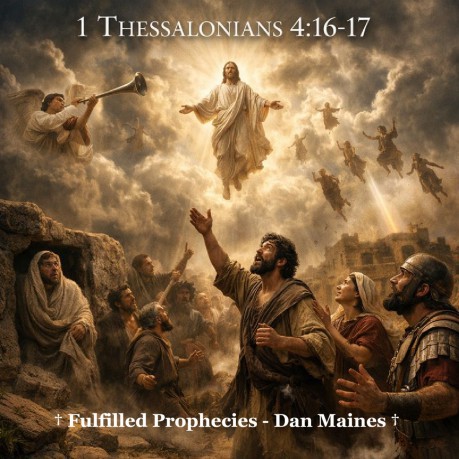
1 Thessalonians 4:16-17 Introduction 1 Thessalonians 4:16-17 † The Lord descending from heaven describes
divine authority being revealed, not physical relocation (Isaiah
19:1; Micah 1:3). † The shout, voice, and trumpet are established
covenant markers tied to redemptive transition (Exodus 19:16-19; Joel
2:1). † The dead in Christ rising directly answers
the fear that deceased believers were disadvantaged (Daniel 12:2). † We who are alive and remain places Paul
himself within the expectation, proving this wasn't written for a
distant future (1 Corinthians 15:51). † Being caught up together emphasizes shared
participation, not removal from the earth (Ephesians 2:6; Colossians
3:1). † Being caught up is not about physical
elevation, it is about union with Christ (Ephesians 2:4-6). † Meeting the Lord is royal reception language
rooted in ancient practice (Matthew 25:6). † The air represents the realm of authority and
dominion, not a physical destination (Ephesians 2:2). † Clouds consistently symbolize divine presence
and judgment throughout Scripture (Psalm 104:3; Isaiah 19:1). † Always be with the Lord describes covenant
fellowship, not physical location (John 14:23). Historical References How It Applies To Us Today Q & A Appendix Q Does being caught up mean leaving the earth? Q What resurrection is being described? † This is the fulfilled perspective we proclaim at
Fulfilled Prophecies † Source Index
By Dan Maines
† Paul was
addressing real grief inside a first century church, not outlining
speculative future events (1 Thessalonians 4:13).
†
The concern was whether deceased believers would miss the Lord's
coming and be excluded from the promise (1 Corinthians 15:18; 1
Thessalonians 4:13).
† Paul writes to bring
comfort and clarity, not fear or confusion (1 Thessalonians 4:18).
†
Paul consistently framed this expectation as near and pressing, not
distant or symbolic (Romans 13:11-12; Hebrews 10:37).
†
The urgency of his language shows he was writing to living believers,
not future generations centuries later (James 5:8-9).
For the Lord Himself
will descend from heaven with a shout, with the voice of the
archangel and with the trumpet of God, and the dead in Christ will
rise first.
Then we who are alive and remain will be caught up
together with them in the clouds to meet the Lord in the air, and so
we shall always be with the Lord.
† In Scripture, God
descends when He acts in judgment and covenant transition (Exodus
3:8; Psalm 18:9).
† Heaven represents God's
throne and rule, so descent means authority exercised on earth
(Daniel 7:13-14).
† Trumpets announce judgment and
gathering, not the end of the physical planet (Isaiah 27:13;
Zephaniah 1:14-16).
† Paul deliberately draws
from Sinai imagery to show covenant fulfillment rather than global
destruction (Hebrews 12:18-26).
†
Resurrection language in Scripture frequently describes covenant
restoration rather than biological reanimation (Ezekiel 37:12-14;
Isaiah 26:19).
† Hosea uses resurrection
imagery to describe national and covenant renewal, the same framework
Paul draws from (Hosea 13:14; Hosea 6:2).
†
Paul isn't inventing a new resurrection concept, he's applying
Israel's prophetic language to fulfilled covenant transition (Romans
11:15).
†
Paul's use of we language cannot be dismissed as hypothetical without
ignoring his plain statements (1 Corinthians 7:29).
†
This confirms that Thessalonians was written to real, living
believers facing imminent fulfillment (1 Corinthians 10:11).
† Scripture consistently teaches that
God's people inherit the earth rather than abandon it (Psalm 37:29;
Ecclesiastes 1:4).
† This language describes
inclusion into the realized kingdom, not escape from creation
(Hebrews 12:22-24).
†
When believers first believed, they were raised up together and
seated together with Christ in the heavenly realm (Ephesians 2:6).
†
This catching up occurred at conversion, not at a future event
(Colossians 2:12-13).
† Scripture teaches
that believers are baptized into one body the moment they believe (1
Corinthians 12:13).
† This is the true
meaning of being caught up, incorporation into the body of Christ,
not removal from the earth (Colossians 1:13).
†
Union with Christ places believers where He is, alive and reigning,
not waiting to be taken somewhere else (Romans 6:5).
†
Subjects go out to meet a coming king and escort him back in honor,
not leave their land (2 Samuel 19:15).
† Acts
records believers doing exactly this when welcoming Paul, reinforcing
the meaning of the imagery (Acts 28:15).
†
Meeting the Lord in the air publicly affirms Christ's authority over
all realms (Matthew 28:18).
†
Jesus used identical imagery to describe covenant judgment against
Jerusalem (Matthew 24:30).
†
This fulfills God's promise to dwell with His people through Christ
(2 Corinthians 6:16).
† This marks the
completion of covenant transition, not a future evacuation (Hebrews
10:14).
†
Early Christians interpreted coming language as judgment and
vindication, not planetary destruction (Justin Martyr, Dialogue with
Trypho).
† John Chrysostom emphasized Paul's
pastoral comfort concerning the dead, not a future escape event
(Homilies on Thessalonians).
† Eusebius
connected coming and trumpet imagery with Jerusalem's judgment and
the church's vindication (Ecclesiastical History).
†
Josephus recorded voices, trumpets, and heavenly signs preceding
Jerusalem's destruction, consistent with prophetic judgment language
(Wars of the Jews 6.5.3).
†
Understanding fulfillment frees believers from fear-based
expectations (2 Timothy 1:7).
† Our
confidence rests in Christ's completed work, not in waiting for
unfinished promises (Hebrews 10:14).
† We
live in the reality of an established kingdom, not in anticipation of
escape (Colossians 1:13).
† Death doesn't
separate believers from Christ or His kingdom (Romans 14:8).
Q Was
Paul describing a future rapture event?
A No,
he was describing union with Christ and covenant fulfillment, not a
future removal, Ephesians 2:4-6; Colossians 1:13.
A
No, it means being placed into Christ and His body, not physical
departure, 1 Corinthians 12:13; Ephesians 2:6.
A
Covenant vindication and corporate restoration, not biological
reanimation, Daniel 12:2; Ezekiel 37:12-14.
© Fulfilled Prophecies - Dan
Maines.
† Exodus
19:16-19; Isaiah 27:13; Isaiah 19:1; Daniel 7:13-14; Daniel 12:2;
Isaiah 26:19; Hosea 6:2; Hosea 13:14; Ezekiel 37:12-14; Psalm 37:29;
Ecclesiastes 1:4; Romans 8:19-21; Matthew 25:6; Acts 28:15; Hebrews
12:18-26; Hebrews 10:14; Romans 13:11-12; Hebrews 10:37; James 5:8-9;
1 Corinthians 15:51; 1 Corinthians 7:29; Ephesians 2:2; Colossians
1:13
† Justin Martyr, Dialogue with Trypho;
John Chrysostom, Homilies on Thessalonians; Eusebius, Ecclesiastical
History; Josephus, Wars of the Jews, Book 6.5.3
Links