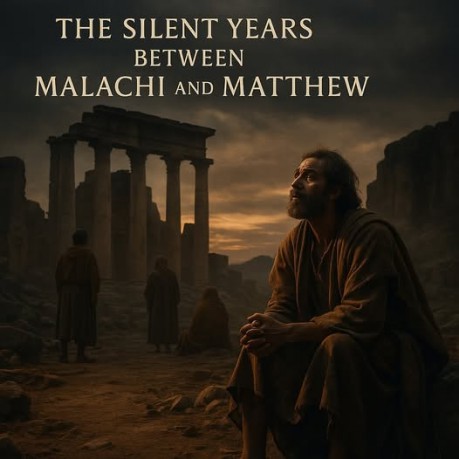
The Silent Years Between
Malachi and Matthew Amos 8:11-12 † The famine Amos spoke of was not a physical
famine, but a spiritual one. From Malachi to John the Baptist, there
were about 400 years without a prophet. This was a time of divine
silence, but not divine absence. God was working behind the scenes,
preparing the world for the fullness of time when Christ would come. † This same type of silence is also seen in
earlier scripture, when 1 Samuel 3:1 says that the word of the Lord
was rare in those days. God's silence has always been purposeful,
preparing His people for transition. † The Persians gave way to the Greeks under
Alexander the Great, and Greek became the common language of the
known world. This would later allow the gospel to spread swiftly
through one universal tongue. God used even pagan empires to prepare
the soil for the coming seed of His Kingdom. † Josephus records that during these centuries
the Jewish people endured oppression but held onto their hope of a
deliverer. He also noted the rise of sects like the Pharisees and
Sadducees, each interpreting the Law in their own way, setting the
stage for the conflict Jesus would confront. † Josephus also documented the Hasmonean
dynasty that arose after the Maccabean revolt. These events explain
how religious and political systems solidified during the silence,
shaping the world that Jesus entered. † Tacitus, a Roman historian, also wrote that
there was a prevailing expectation throughout the empire that someone
from Judea would rise to rule the world. Even the Gentile nations
sensed that history was reaching a turning point. † The so-called silent years were anything but
empty. They were the quiet construction of a bridge between
covenants, leading from the shadow of the old to the dawn of the new. Luke 1:16-17 † John the Baptist was the voice that broke the
silence. He fulfilled the prophecy of Malachi 4:5-6, restoring the
hearts of the people and preparing the way for the Messiah. The
famine ended when the Word Himself became flesh and spoke again to
Israel. † The restoration John preached was not
national but covenantal. He called Israel to repentance because the
old order was about to end and the Kingdom of Heaven was at hand. † Jesus came during that same generation,
ending the long silence of God and fulfilling every promise spoken by
the prophets. The transition from silence to speech mirrored the
transition from the old covenant to the new. † Luke 16:16 confirms this very shift: The Law
and the Prophets were until John. From that time on, the gospel of
the kingdom of God has been preached. The silence ended exactly as
prophecy foretold. How it applies to us today † Even when it seems like God is silent, He is
still preparing the way. The silence before fulfillment is often the
space where faith is tested and refined. † The story of those 400 years reminds us that
God's promises are never forgotten, even when they seem delayed. His
timing always aligns with His purpose. † Just as Israel waited through silence for the
coming King, we live in the age of His fulfilled reign, where the
Word continues to speak through His completed covenant. † This is the fulfilled perspective we proclaim at
Fulfilled Prophecies † Source Index
By Dan Maines
Behold, days are coming,
declares the Lord God, When I will send a famine on the land, Not a
famine for bread or a thirst for water, But rather for hearing the
words of the Lord. People will stagger from sea to sea And from the
north even to the east, They will go to and fro to seek the word of
the Lord, But they will not find it.
And he will turn many of the
sons of Israel back to the Lord their God. It is he who will go as a
forerunner before Him in the spirit and power of Elijah, to turn the
hearts of the fathers back to the children, and the disobedient to
the attitude of the righteous, so as to make ready a people prepared
for the Lord.
† Amos
8:11-12; 1 Samuel 3:1; Luke 1:16-17; Luke 16:16; Malachi 4:5-6
†
Josephus, Antiquities of the Jews, Book 12-13
†
Tacitus, Histories 5.13
Links