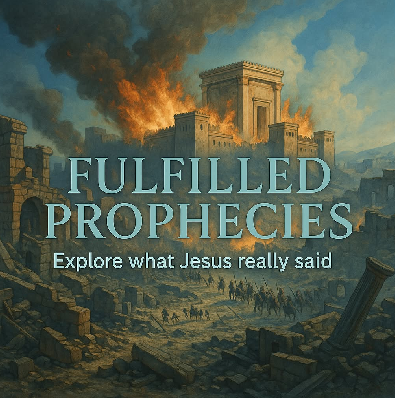
"Satan's
Little Season" (SLS) Part 4 of 4
"Satan's Little Season" is NOT extended beyond 70 AD or
even into AD 73 (e.g., with the fall of Masada or other
late-first-century events). This final post shows why the season was
short, symbolic, and ended with the Destruction of
Jerusalem, not after. As a Preterist, Here's Why I
Believe "Satan's Little Season" Did Not
Extend Beyond AD 70 Some suggest Satan's "little
season" dragged on past the destruction of Jerusalem - maybe to
AD 73 or even further. But Scripture doesn't support that idea.
Here's why I believe it ended with the judgment in 70 AD: 1. Revelation 20:7–9 says it's a SHORT season - not an
era "When the thousand years are
completed, Satan will be released for a little while..."
"...but
fire came down from heaven and consumed them." This isn't a prolonged campaign. It's
a final, brief rebellion, immediately followed by
destruction. There's no biblical hint that this "little while"
continues for years after. 2. Romans 16:20 says Satan's crushing was imminent in
Paul's day "The God of peace will soon crush
Satan under your feet." Paul wasn't speaking of AD 73 or some
long stretch post-70. He was telling Roman believers the crushing of
Satan was near - in their time. The siege and fall of
Jerusalem in 70 AD is the best historical and prophetic match. 3. Revelation 20:9 links the
rebellion to fire from heaven
This language matches OT
prophetic judgment (cf. Ezekiel 38–39, Isaiah 29:6) and Jesus'
warnings in Luke 21. The "fire" fell with the destruction
of Jerusalem. That was the climax. Not Masada. Not years later. The
rebellion was judged right there. 4. Masada (AD 73) had no
theological role in Revelation
Masada was tragic, yes
- but not prophetic. The book of Revelation centers on the harlot
city (Jerusalem), not scattered desert fortresses. The temple's fall
marked the end of the old covenant world, not
Masada's last gasp. 5. "Little Season" =
final exposure, not a dragged-out war
God let Satan
loose briefly - not to thrive, but to be destroyed. Like
Pharaoh was hardened before being drowned, Satan's release was for
judgment, not extended influence. The swift Roman victory in 70 AD
fits the pattern. Conclusion:
Revelation
doesn't describe a drawn-out satanic reign after the fall of
Jerusalem. The "little season" was a symbolic window of
deception that ended with fire - God's judgment in AD 70.
There's no biblical reason to stretch it to AD 73 or beyond.
By Dan Maines
Links