Refuting
the Idea of "Satan's Little Season" (SLS) is now or as a
Future Event Part 3 of 4
This post presents my response to the idea of "Satan's Little
Season" being now or a future event. Using scriptural analysis
and historical parallels, it demonstrates that Revelation 20's
vision refers to symbolic events culminating in the destruction of
Jerusalem in 70 AD. Key texts such as Romans 16:20 and John 12:31
show that Satan's judgment was imminent in the first century. The
post concludes with a Q&A section addressing common objections
and supports the Preterist view through typology and early church
references.
The concept of "Satan's
Little Season" is often interpreted by futurists and even some
Preterists as a time of now or in the distant future when Satan is
released to deceive the nations once more. However, a Preterist
reading of Scripture shows that this so-called season was a symbolic
reference to first-century events, particularly leading up to the
destruction of Jerusalem in 70 AD. This post will demonstrate from
Scripture that "Satan's Little Season" is not a "now"
or future event, but a symbolic episode that has already been
fulfilled.
1. Revelation 20: A Symbolic Timeline Fulfilled in
the First Century "And when the thousand years are
ended, Satan will be released from his prison and will come out to
deceive the nations" (Revelation 20:7-8). The "thousand years" is symbolic of the Church's early
period from Christ's resurrection to the destruction of Jerusalem.
This view sees Satan's release as a brief time of deception leading
up to the Jewish War, not a literal future event. The nations that
are deceived (Gog and Magog) are representative of apostate Israel
and rebellious Gentile forces who rise up against the saints but are
swiftly destroyed. "But fire came down from heaven
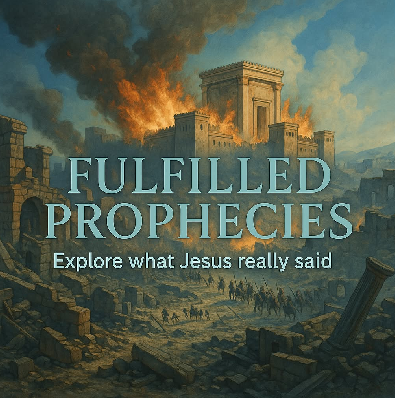
and consumed them" (Revelation 20:9). This fire is not a literal fire from
heaven in the future but symbolic of God's judgment, likely
referencing the Roman destruction of Jerusalem.
2. Romans 16:20 – The Crushing of Satan Was
Imminent "The God of peace will soon crush
Satan under your feet" (Romans 16:20). Paul tells the first-century Roman
believers that the crushing of Satan was to happen "soon,"
not millennia later. This timeline completely contradicts the
futurist interpretation of a future release and rebellion of Satan.
3. The New Testament Teaches the Defeat of Satan,
Not a Return Several New Testament passages emphasize that
Satan was already judged and his power was being destroyed: John 12:31 –
"Now is the judgment of this world; now will the ruler of this
world be cast out." Hebrews 2:14 –
"...that through death he might destroy the one who has the
power of death, that is, the devil." 1 John 3:8 – "The reason the Son of
God appeared was to destroy the works of the devil." These statements point to a completed
or ongoing judgment in the first century, not a pause and restart of
Satan's activity in a later age.
4. Silence Elsewhere in
Scripture on a Future Satanic Rebellion There is no support
in the rest of the Bible for the idea that Satan would be released
again after being judged. In fact, the Bible speaks consistently of
Satan's defeat and the advance of Christ's kingdom, not a renewed
threat.
5. Revelation 20 and
Ezekiel 38–39: Symbolic Echoes The imagery of "Gog
and Magog" in Revelation 20 is borrowed from Ezekiel 38–39.
In Ezekiel, Gog represents a massive enemy coalition against God's
people that is supernaturally destroyed. In Revelation, the same
imagery is used symbolically to describe the forces that gathered
against the early church and were judged through the events of 70
AD.
6. Historical
Confirmation from Josephus The Jewish historian Josephus
describes the chaos, deception, and nationalistic madness that
gripped Jerusalem leading up to its fall. These events reflect the
“gathering of nations” and mass deception seen in Revelation
20:8. The fire, famine, infighting, and ultimate destruction serve
as real historical echoes of the apocalyptic judgment John foresaw.
Conclusion The
idea of "Satan's Little Season" as a now future literal
event is unsupported by Scripture. A Preterist reading shows that
Revelation 20 refers to symbolic events that found their fulfillment
in the first century. Satan was judged, the enemies of God were
defeated, and the kingdom of Christ continues to advance without
threat of a second satanic rebellion. The Church need not fear a
future release of Satan, for his defeat is a past reality sealed by
the cross and confirmed by history. No we are not in Satan's Little
Season.
Answering Common
Objections 1. "Revelation 20 clearly
happens after the thousand years - how could that have already
happened?" The "thousand years" is symbolic.
It refers to a long but complete period - from Christ's resurrection
to the destruction of Jerusalem. Satan's "little season"
directly follows that symbolic period, not thousands of years later.
Revelation's vision is sequential, not strictly chronological.
2. "If Satan was
judged in the first century, why does evil still exist today?"
Satan's covenantal power to deceive nations and oppose redemptive
history was broken. While human sin remains, Satan as a redemptive
enemy was defeated. The kingdom of God advances despite ongoing
moral evil.
3. "What about
Revelation 20:10? Doesn't it say Satan will be tormented forever
after this season?" Yes - and this happens right after
his final symbolic rebellion in the first century. The eternal
torment is symbolic of complete judgment, not a literal ongoing
burning. It signifies the finality of Satan's role.
4. "Why would God
release Satan again if he had already been bound?"
This is part of God's redemptive drama - similar to Pharaoh's
hardening. The release allows for final exposure and destruction. It
is not an escape but a setup for judgment.
5. "What evidence
is there that this 'fire from heaven' is the Roman judgment on
Jerusalem?" Biblical prophetic language often uses
fire from heaven to represent divine judgment (cf. Ezekiel 38:22;
39:6; Isaiah 29:6). Jesus Himself described Jerusalem's destruction
as divine wrath (Luke 21:20-24; Matthew 23:36-38).
6. "Where in early
church writings do we see this fulfilled view?"
Writers like Eusebius saw the fall of Jerusalem as fulfilling Jesus'
prophecies. The early church recognized 70 AD as a pivotal
redemptive event, confirming the Preterist perspective.
By Dan Maines
Links