Oikoumene:
Resurrection, Judgment, and the End of the Age (All Fulfilled!) The resurrection is
not a future event. It marked the time of judgment, the end of the
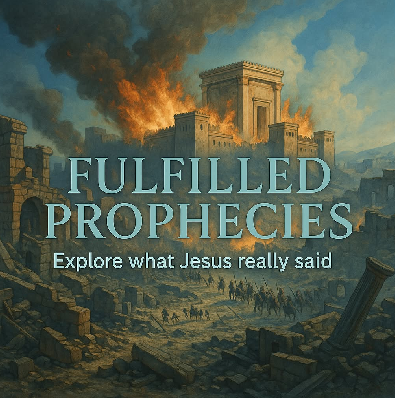
Old Covenant age, and the destruction of Jerusalem in 70 AD. Here's
how scripture proves it: 1 Thessalonians 5:9
Paul
said "us," meaning the Thessalonians. He was writing to
"them," not us. Revelation 3:10
The
word "world" is oikoumene (Strong's #3625), which
referred to the Roman world of their time. John told "them"
there would be no more delay (Revelation 10:6) and what must soon
happen (Revelation 1:1-3). Matthew 24:29
"Sun,
moon, and stars" is apocalyptic language. Isaiah 13:1, 6, 10-11 used this
language for Babylon's fall in 539 BC. The lights in the sky were not
literally darkened. Jesus applied this to
Jerusalem's judgment in "that generation" (Matthew
24:34, Luke 21:20-22). 1 Corinthians 15 and
Isaiah 27:9-13
Paul tied the resurrection to
Jerusalem's destruction. The "last trumpet" is
the seventh trumpet. It marked the desolation of the
city and destruction of the altar. Paul said "they" were
at the end of the ages (1 Corinthians 10:11). "The world is passing away"
(1 Corinthians 7:31), referring to the Old Covenant system. Daniel 12:2, 4, 7 and
Daniel 9:24-27 The resurrection and "time
of the end" happened when the power of the holy people (the
Old Covenant system) was shattered. That happened when the city and
sanctuary were destroyed in 70 AD. Isaiah 25:2, 8 The resurrection is again linked
to the destruction of the city. Revelation 11 "The city where the Lord
was crucified" is Jerusalem (Revelation 11:8). Revelation 11:15 declares
Christ's kingdom came when Jerusalem (Babylon) was judged. Jesus said "they" would see armies surround
Jerusalem (Luke 21:20-22). Oikoumene was their world. The
time statements were literal. The resurrection, judgment, and end of
the age were fulfilled in their generation.
By Dan Maines
Links