The
Fulfilled Love of God
1 John 4:7-12 7 Beloved, let’s love one another;
for love is from God, and everyone who loves has been born of God
and knows God. 8 The one who does not love does not know God,
because God is love. 9 By this the love of God was revealed in us,
that God has sent His only Son into the world so that we may live
through Him. 10 In this is love, not that we loved God, but that He
loved us and sent His Son to be the propitiation for our sins. 11
Beloved, if God so loved us, we also ought to love one another. 12
No one has ever seen God; if we love one another, God remains in us,
and His love is perfected in us.
Love is central to the
gospel message, but often, it is misunderstood or diluted by human
tradition. From a Preterist perspective, understanding love in the
fulfilled work of Christ helps us grasp the depth of God's
redemptive plan and our role in it. We are not awaiting a future
consummation of God's kingdom; rather, we live in the reality of His
fulfilled promises, where love is the governing force of His
kingdom.
I. Love in the Fulfilled Covenant
The
Old Covenant was marked by law, boundaries, and national identity.
Under that system, love was often seen in light of obedience to the
law (Deuteronomy 6:5).
In Christ, the New Covenant
reveals love not as a future hope but as a present reality fully
realized through Jesus' finished work (John 13:34-35).
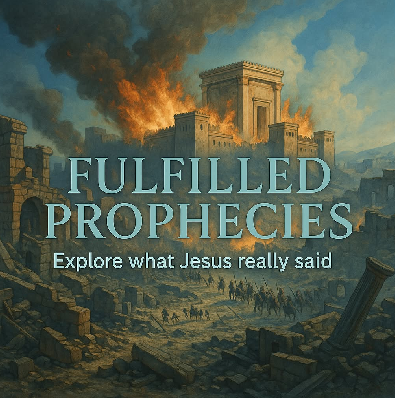
The
destruction of the temple in AD 70 symbolized the definitive end of
the Old Covenant, making way for the unshakable kingdom of love
(Hebrews 12:28).
II. Love as the Evidence of the
Kingdom
Since the kingdom is present and not
something we are waiting to arrive, love is now the defining
characteristic of God's people.
1 John 4:12 states, "No
one has seen God; but if we love one another, God abides in us."
The visibility of God's kingdom is found in how His people love one
another.
Love is not merely an emotional response; it is
a conscious choice reflecting the finished work of Christ in us
(Galatians 5:14).
III. Love and the Restoration
of All Things
From a Preterist view, the "new
heavens and new earth" (Revelation 21) is not a distant future
event but a present reality where righteousness dwells.
Love
is the method by which the church manifests this new creation. We
are not looking for an external transformation of the world but a
transformation of hearts through love.
Paul affirms in 1
Corinthians 13:8 that "love never fails." Since Christ's
kingdom is eternal, love is the unchanging law of this fulfilled
reality.
IV. Living in the Love of the Fulfilled
Kingdom
Since the kingdom is here, love must
define every relationship in our lives.
Love in the
church: We serve one another in humility, knowing we are already
part of Christ's victorious reign (Philippians 2:1-5).
Love
in the world: We do not fear tribulation or destruction; we live as
ambassadors of Christ's completed work, showing the world the love
that overcomes all things (Romans 8:37-39).
Conclusion:
We
do not wait for love to be perfected in some future age - it is
perfected now in the finished work of Christ. As believers in the
fulfilled kingdom, we are called to embody the love of God daily.
This love is our testimony to the world and our participation in the
eternal kingdom that Christ has fully established.
By Dan Maines
Links