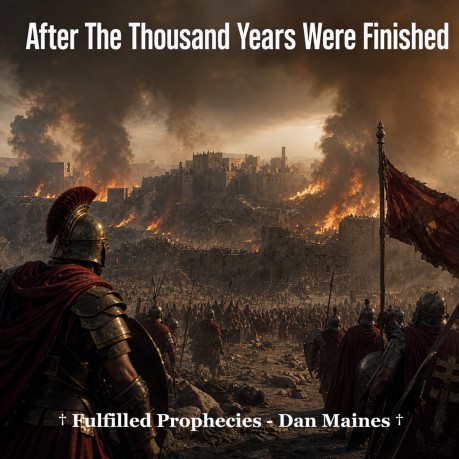
After The Thousand Years Were
Finished Introduction † The tension people run into in Revelation 20
comes from trying to force the chapter into a strict chronological
timeline instead of recognizing the repeated pattern of
recapitulation throughout the book (Revelation 11:15-18; Revelation
16:17-21). † Revelation doesn't move forward like a
straight line, it circles back and retells the same covenant judgment
from different angles (Revelation 12:1-6; Revelation 14:14-20). † What looks like multiple battles, multiple
judgments, and multiple timelines is actually one unified judgment
being described repeatedly, centered on the destruction of Jerusalem
in AD 70 (Luke 21:20-22; Matthew 24:34). † The key to resolving the confusion is letting
scripture interpret scripture and comparing the language across
Revelation itself (1 Corinthians 2:13; Isaiah 28:10).
Revelation 16:14-16 † This is the gathering to the great war, the
same global language of kings, nations, and a final confrontation
(Revelation 19:19; Revelation 20:8). † The phrase great day of God ties directly to
covenant judgment language used throughout the prophets, especially
against Jerusalem (Joel 2:1; Zephaniah 1:14-18). † The gathering is not future to us, it is the
first-century buildup of nations surrounding Jerusalem, culminating
in AD 70 (Luke 21:20). † Jesus Himself defined this gathering when He
said Jerusalem would be surrounded by armies in that generation,
tying this war directly to AD 70 (Luke 21:20-22; Matthew 24:34). Revelation 19:19 † This is the same gathering described earlier,
same enemies, same purpose, war against Christ (Revelation 16:14-16). † The beast represents the Roman authority
under Caesar, the same power that came against Jerusalem and the
saints (Revelation 13:1-7). † This aligns with the first-century Roman
campaign under Nero and the emperors that followed, culminating in
Jerusalem's destruction (Luke 21:20; Daniel 9:26). † The outcome is immediate destruction, there
is no second separate war introduced here, just the same judgment
scene from another angle (Revelation 19:20-21). Revelation
20:7-9 † The language is identical, gathering nations,
surrounding the city, final destruction, this is not a new war, it is
the same war retold (Revelation 16:14-16; Revelation 19:19). † The beloved city is Jerusalem, the covenant
city under judgment, not a future global capital (Matthew 23:37-38). † This directly matches Jesus' warning that
Jerusalem would be surrounded and desolated in that generation (Luke
21:20-22; Matthew 24:15-16). † Fire from heaven is covenant judgment
language, just like in the Old Testament against rebellious Israel
(Ezekiel 38:22; 2 Kings 1:10). † Gog and Magog is symbolic language,
representing the nations in rebellion, not a literal future
geopolitical coalition (Ezekiel 38:2-9). Revelation
20:1-3 † The binding of Satan is not total inactivity,
it is restriction with a purpose, specifically that he should not
deceive the nations as before (John 12:31; Luke 10:18). † Jesus explained this binding when He said the
strong man must first be bound before his house is plundered (Matthew
12:28-29). † This began with Christ's victory at the
cross, when the gospel began going out to the nations without the
same level of blindness (Colossians 2:15; Matthew 28:18-20). † The thousand years is a symbolic period
representing completeness, not a literal future timeline (2 Peter
3:8; Psalm 50:10). † The loosing for a little time is the short
period of intensified rebellion leading up to AD 70, when the nations
gathered against Jerusalem (Luke 21:22; Matthew 24:21). Satan's Little Season Revelation 20:3 † The text is clear that the loosing of Satan
is for a little time, not an extended age lasting thousands of years
(Revelation 20:3; Revelation 20:7). † Many today assume we are living in this
little season because they see deception, evil, and global unrest,
but scripture never defines the little season by general wickedness
(Ecclesiastes 1:9; Romans 1:28-32). † The purpose of the loosing is specific, to
deceive the nations and gather them to war against the saints and the
beloved city (Revelation 20:7-9). † That exact gathering already happened in the
first century when the nations came against Jerusalem, just as Jesus
warned (Luke 21:20-22; Matthew 24:21). † The little season is not describing our
modern world, it describes a short, intense buildup to covenant
judgment in that generation (Matthew 24:34; Luke 21:32). † Satan had been restrained from deceiving the
nations as before, but was allowed a brief final surge of deception
to bring about the gathering to judgment (John 12:31; Luke 10:18). † This matches the increase in persecution,
deception, and rebellion seen leading up to AD 70, not a future
global age thousands of years later (2 Thessalonians 2:3-8;
Revelation 6:9-11). † The little season ends with the destruction
of those gathered and the final judgment of the devil, which
Revelation places in the same covenant context (Revelation 20:9-10;
Revelation 19:20). † If we were still in the little season today,
the gathering to surround the beloved city would still be future, but
scripture shows that event already occurred (Luke 21:20; Matthew
24:15-16). † The idea that we are currently in Satan's
little season ignores the time statements of scripture and stretches
a little time into thousands of years, which the text never allows
(Revelation 1:1; Revelation 22:6). Revelation 20:10 † The devil joining the beast and false prophet
does not require a separate future event, it is the same judgment
being restated with expanded detail (Revelation 19:20). † Revelation repeatedly revisits the same
moment and adds new elements, this is the pattern throughout the book
(Revelation 11:18; Revelation 16:19). † The sequence is thematic, not chronological,
showing the complete defeat of all opposing forces in the same
covenant judgment (Revelation 17:14; Revelation 18:8). Explaining The Tension † The supposed two battles are actually one
battle described multiple times, Revelation 16, Revelation 19, and
Revelation 20 all show the same gathering, same enemies, and same
destruction (Revelation 16:14-16; Revelation 19:19; Revelation
20:8-9). † Revelation also confirms this again when the
kings of the earth gather to make war against the Lamb and are
overcome, proving the repetition of the same event (Revelation
17:12-14). † The difference in placement, before and after
the thousand years, is due to the narrative resetting, not a literal
timeline progression (Revelation 11:15-18; Revelation 16:17-21). † The beast and false prophet being thrown into
the lake of fire and later the devil joining them is not two events
separated by centuries, it is layered storytelling of the same
judgment (Revelation 19:20; Revelation 20:10). † The reign of the saints during the thousand
years refers to the victory and authority of believers in Christ
during that gospel age leading up to the end of the old covenant
system (Ephesians 2:6; Romans 5:17). † Those who refused the mark of the beast are
first-century believers who overcame Roman pressure and persecution
(Revelation 13:16-17; Revelation 15:2). Historical References † Josephus records the gathering of nations and
the destruction of Jerusalem, matching the imagery of surrounding the
city and total devastation (Josephus, Wars of the Jews, Book 5-6;
Luke 21:20). † Eusebius confirms that the church understood
these events as fulfillment tied to Jerusalem's fall, not a distant
future war (Eusebius, Ecclesiastical History, Book 3; Matthew 24:34). † Tacitus describes the Roman military campaign
and the scale of the destruction, aligning with the imagery of
overwhelming forces (Tacitus, Histories 5.13; Revelation 19:19). † Irenaeus acknowledged the prophetic judgment
language and its connection to the destruction tied to that
generation, reinforcing early recognition of fulfillment patterns
(Irenaeus, Against Heresies, Book 5; Matthew 24:34). How It Applies To Us Today † We don't live waiting for a future war,
Christ has already won the decisive victory (John 16:33; Hebrews
2:14). † The kingdom is not postponed, it is present
and established, and we are part of it now (Hebrews 12:28; Colossians
1:13). † Satan's power to deceive the nations as he
once did has been broken through the gospel (Matthew 12:28-29; John
12:31). † Our focus is not fear of future tribulation,
but confidence in the finished work of Christ (Romans 8:1; Ephesians
3:11). † Understanding this frees us from fear-based
theology and anchors us in what Christ has already accomplished (John
19:30; Hebrews 10:12-14). Q & A Appendix Q Are there two separate wars described? Q Why is one placed after the thousand years? Q Why does the devil join the beast later? Q What is the thousand years? Q What is the loosing of Satan? Q How can Satan be bound and then loosed if this
is the same event? Q Who are Gog and Magog? † Revelation 16, 19, and 20 are not separate
timelines, they are repeated visions of the same covenant judgment
shown from different angles (Revelation 11:15-18; Revelation
16:17-21; Revelation 19:19; Revelation 20:8-10). Q Are we living in Satan's little season right
now? Q Why do people think we are in Satan's little
season today? Q Doesn't the world look deceived today? Q How long is the little season? Q What event marks the little season? Q If we were in the little season today, what
would we expect to see? Q Did Satan stop being active after being
bound? Q What proves the little season is already
past? † This is the fulfilled perspective we proclaim at
Fulfilled Prophecies † Source Index † Revelation 16:14-16; Revelation 19:19-21;
Revelation 20:1-10; Revelation 17:12-14; Luke 21:20-22; Matthew
24:21,34; Ezekiel 38:2-9; Matthew 12:28-29; 2 Peter 3:8; Hebrews
12:28
By Dan Maines
for they are spirits of
demons, performing signs, which go out to the kings of the entire
world, to gather them together for the war of the great day of God,
the Almighty. (“Behold, I am coming like a thief. Blessed is the
one who stays awake and keeps his clothes, so that he will not walk
about naked and people will not see his shame.”) And they
gathered them together to the place which in Hebrew is called
Har-Magedon.
And
I saw the beast and the kings of the earth and their armies,
assembled to make war against Him who sat on the horse, and against
His army.
When the thousand years are completed, Satan
will be released from his prison, and will come out to deceive the
nations which are at the four corners of the earth, Gog and Magog, to
gather them together for the war; the number of them is like the sand
of the seashore. And they came up on the broad plain of the earth and
surrounded the camp of the saints and the beloved city, and fire came
down from heaven and devoured them.
Then I saw an angel coming down from heaven,
holding the key of the abyss and a great chain in his hand. And he
took hold of the dragon, the serpent of old, who is the devil and
Satan, and bound him for a thousand years; and he threw him into the
abyss and shut it and sealed it over him, so that he
would not deceive the nations any longer, until the thousand years
were completed; after these things he must be released for a short
time.
and
he threw him into the abyss and shut it and sealed it
over him, so that he would not deceive the nations any longer, until
the thousand years were completed; after these things he must be
released for a short time.
And
the devil who deceived them was thrown into the lake of fire and
brimstone, where the beast and the false prophet are also; and
they will be tormented day and night forever and ever.
A
No, they all describe the same gathering and judgment using different
imagery (Revelation 16:14-16; Revelation 19:19; Revelation 20:8-9;
Revelation 17:12-14).
A
Because Revelation resets and retells the same events from a
different perspective, not in strict chronological order (Revelation
11:15-18; Revelation 16:17-21).
A
It is a narrative expansion of the same judgment, not a later event
(Revelation 19:20; Revelation 20:10).
A
A symbolic period representing the gospel age beginning with Christ's
victory (2 Peter 3:8; Psalm 50:10).
A
A short period of intensified deception leading up to the destruction
of Jerusalem in AD 70 (Luke 21:20-22; Matthew 24:21).
A Because the binding
describes restriction in purpose, not total inactivity, and the
loosing describes a brief final intensification of rebellion before
judgment (Matthew 12:28-29; Luke 21:22).
A
Symbolic of the nations in rebellion, drawn from Ezekiel (Ezekiel
38:2-9; Revelation 20:8).
A No, the little season is defined by a
specific event, the gathering of the nations to surround the beloved
city, which already happened in the first century (Revelation 20:7-9;
Luke 21:20-22).
A Because they see evil,
deception, and global problems and assume that matches the loosing of
Satan, but scripture never defines the little season by general
wickedness, it defines it by a specific gathering to judgment
(Revelation 20:7-9; Romans 1:28-32).
A
The world has always had deception, even in the first century, the
little season was not about general deception, but a targeted
deception to gather nations against Jerusalem (Acts 2:23; 1
Corinthians 2:8; Revelation 20:8).
A
Scripture calls it a little time, meaning a short, limited period,
not thousands of years (Revelation 20:3; Revelation 20:7).
A
The surrounding of the beloved city and the final gathering to war,
which Jesus said would happen in that generation (Revelation 20:8-9;
Matthew 24:15-16; Luke 21:20).
A We would expect a
literal surrounding of the beloved city and an immediate covenant
judgment, but that already took place in AD 70 (Luke 21:20-22;
Matthew 24:34).
A No, his binding was a restriction in
purpose, preventing him from deceiving the nations as before, not
total inactivity (John 12:31; Matthew 12:28-29).
A The gathering of the nations, the
surrounding of Jerusalem, and the destruction of the city all
happened exactly as described, fulfilling the purpose of the little
season (Revelation 20:8-9; Luke 21:20-22).
© Fulfilled Prophecies - Dan
Maines.
† Josephus, Wars of the Jews, Book 5-6;
Eusebius, Ecclesiastical History, Book 3; Tacitus, Histories 5.13;
Irenaeus, Against Heresies, Book 5
Links